
As I stood by the oven, the aroma of freshly baked bread wafted through my kitchen, bringing a wave of nostalgia and warmth that transported me back to my grandmother’s home. Then there it was—my Roasted Garlic and Rosemary Sourdough Bread, its golden crust crackling alluringly as I pulled it from the oven. This delightful creation is not just another recipe; it’s a heartfelt tribute to simplicity and flavor, designed to make your meals unforgettable. With the robust flavor of roasted garlic and fragrant rosemary, this artisan bread elevates any occasion, whether it’s a cozy dinner or a festive gathering. The best part? This sourdough bread is not only fun to make but also freezer-friendly, ensuring you can enjoy a homemade slice of heaven anytime you crave it. Ready to turn your kitchen into a haven of savory goodness?

Why is this sourdough bread a must-try?
Irresistible Aromas: The moment it bakes, your kitchen will be filled with the intoxicating scents of roasted garlic and rosemary, making it impossible to resist.
Artisan Flavor: This Rosemary Sourdough Bread is so rich in taste; it feels gourmet yet is approachable for home bakers.
Versatile Uses: Perfect for serving as a side to your favorite soups and salads or as a base for sandwiches, its culinary possibilities are endless.
Baking Made Easy: The straightforward process allows bakers of all levels to enjoy making this delightful loaf without stress.
Freezer-Friendly: Make a double batch, and freeze the extra loaf for a delicious homemade treat whenever the craving strikes.
Get ready to experience a flavor adventure with this amazing bread! If you’re in the mood for unique baked goods, don’t forget to check out my delicious Espresso Banana Bread for a sweet twist!
Rosemary Sourdough Bread Ingredients
For the Dough
- Strong Bread Flour – This flour provides structure and strength; you can substitute all-purpose flour, but it may change the texture.
- Water – Essential for gluten activation; use lukewarm water to help your sourdough starter flourish.
- Active Sourdough Starter – The heart of sourdough fermentation and flavor, make sure it’s bubbly and lively before using.
- Salt – Crucial for flavor enhancement and yeast control; never skip this ingredient!
For the Flavor
- Roasted Garlic – Adds deep sweetness and complexity to the bread; fresh is best, but garlic powder can work in a pinch.
- Fresh Rosemary – Infuses a delightful herbal aroma; feel free to substitute with thyme or oregano for a different twist.
Now that you have the ingredients ready, get ready to embark on your baking adventure, where every slice of your Rosemary Sourdough Bread will bring joy to your table!
Step‑by‑Step Instructions for Rosemary Sourdough Bread
Step 1: Prepare Dough
In a large mixing bowl, combine 500g of strong bread flour with 350g of lukewarm water and 150g of your bubbly active sourdough starter. Mix until a shaggy dough forms, ensuring no dry flour remains. This mixture will start to come together, looking somewhat sticky but not too wet. Cover the bowl with a damp cloth and let it rest for 30 minutes to allow the flour to hydrate.
Step 2: Add Ingredients
After the resting period, fold in 100g of roasted garlic and 2 tablespoons of chopped fresh rosemary into your dough. Sprinkle 10g of salt evenly over the surface and mix until everything is well incorporated. The dough should begin to feel more cohesive as you work the ingredients in, and the fragrant herbs and garlic will infuse it with savory aromas.
Step 3: Bulk Fermentation
Cover the dough with the damp cloth again and let it rise at room temperature for approximately 4 hours. During this fermentation phase, perform stretching and folding every 30 minutes; this helps strengthen the dough. After about 2 hours, you should notice it slightly increasing in size and developing a lovely bubbly texture.
Step 4: Shape the Loaf
Once your dough has doubled in size, gently turn it out onto a well-floured surface. Shape it into a round loaf by folding the edges into the center and then turning it seam side down. Allow it to rest for 30 minutes, which will make it easier to shape and help improve the final texture of your Rosemary Sourdough Bread.
Step 5: Final Proof
After resting, place your shaped loaf into a flour-dusted proofing basket seam side up, and cover it with a cloth. Let it proof for about 1-2 hours until it has puffed up and feels airy to the touch. The loaf should nearly double in size again, signaling that it’s ready for baking.
Step 6: Preheat Oven
While your dough is proofing, preheat the oven to 450°F (232°C). Place a Dutch oven inside to heat up, which will create a steamy environment necessary for a perfect crust when you bake your Rosemary Sourdough Bread. Allow the Dutch oven to preheat for at least 30 minutes to ensure it’s hot enough.
Step 7: Bake the Bread
Carefully remove the hot Dutch oven from the oven and gently transfer your proofed dough into it. Cover the pot with its lid and bake for 30 minutes. After this time, take off the lid to let the steam escape and bake for an additional 15-20 minutes, or until the crust turns golden brown and forms a beautiful, rustic appearance.
Step 8: Cool the Bread
Once the baking is complete, carefully transfer your Rosemary Sourdough Bread onto a wire rack to cool. Allow it to rest for at least 30 minutes before slicing; this step is essential as it lets the texture set and enhances the flavor. As the crust cools, the delightful aroma will fill your kitchen, inviting everyone to gather around.
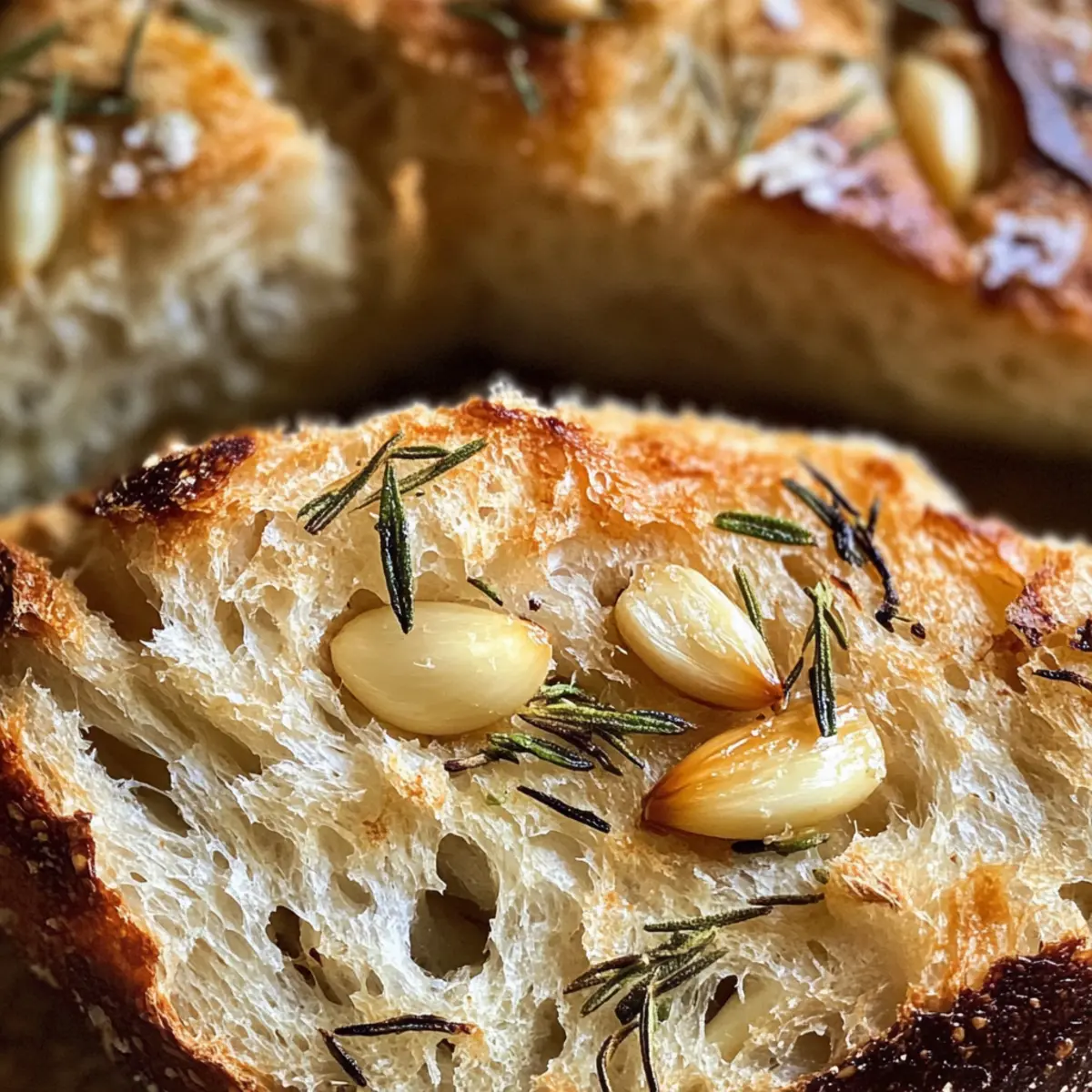
Make Ahead Options
These Roasted Garlic and Rosemary Sourdough Bread loaves are perfect for busy home cooks looking to save time! You can prepare the dough up to 24 hours in advance—simply follow the instructions through to shaping the loaf, then cover the dough and refrigerate it. This allows it to cold-proof and develop deeper flavors. When you’re ready to bake, just let it come to room temperature for about 30 minutes before placing it in a proofing basket for an additional 1-2 hours. To maintain quality, make sure to wrap the dough tightly to prevent drying out. Enjoy warm, freshly baked bread with minimal effort!
How to Store and Freeze Rosemary Sourdough Bread
Room Temperature: Wrap the bread in a clean cloth and store it in a cool, dry place for up to 3 days to maintain its crust and flavor.
Freezer: If you want to keep your Rosemary Sourdough Bread for longer, freeze it in a heavy-duty freezer bag. It can last up to 3 months without losing its delicious taste.
Thawing: When ready to enjoy, simply remove it from the freezer and let it thaw at room temperature for a couple of hours. For a fresh-from-the-oven feel, warm slices in the toaster or the oven.
Reheating: To restore crispiness, reheat slices in a toaster oven or under the broiler for a few minutes. Enjoy the delightful flavors of your rosemary sourdough bread anytime!
Tips for the Best Rosemary Sourdough Bread
-
Active Starter Essential: Ensure your sourdough starter is bubbly and active to achieve the best flavor and rise in your Rosemary Sourdough Bread.
-
Knead Gently: Avoid over-kneading the dough; aim for a slightly tacky but smooth texture, which helps support the bread’s airy crumb.
-
Monitor Baking Time: Keep an eye on your bread while baking. A golden-brown crust gives it a rustic charm, while a darker crust offers a more robust flavor.
-
Include Steam: The Dutch oven creates a steamy environment, essential for crust formation. If you lack one, place a pan of water in the oven to simulate steam.
-
Cool for Flavor: Allow the bread to cool for at least 30 minutes after baking. This crucial step enhances the flavor and texture, making each slice a delightful experience.
Rosemary Sourdough Bread Variations
Feel free to get creative and customize your bread with these delightful twists that will truly elevate your baking experience!
-
Herb Blend: Mix in a variety of fresh herbs like thyme, sage, or even dill to create an aromatic twist. Each herb brings its unique flair, adding fresh layers of flavor to your sourdough.
-
Cheesy Delight: Incorporate shredded cheddar or crumbled feta into the dough for a savory, cheesy bread. The melted cheese adds richness, perfectly complementing the roasted garlic.
-
Garlic Explosion: For true garlic lovers, consider adding additional roasted garlic cloves or a sprinkle of garlic powder for an extra punch. The flavor intensifies in every delightful bite!
-
Spicy Kick: Mix in some crushed red pepper flakes or chopped jalapeños for a spicy version that will excite your taste buds. This adds not just heat but also vibrant color to the bread.
-
Sweet Surprise: If you’re in the mood for something sweeter, toss in some sun-dried tomatoes or olives. They’ll lend a delightful contrast to the savory elements, making an impressive appetizer.
-
Nutty Texture: Add walnuts or sunflower seeds to the dough for an unexpected crunch. Not only do they provide additional texture, but they also enhance the flavor profile beautifully.
-
Dipping Oil Companion: Serve your bread with infused olive oil or balsamic vinegar for dipping. This simple addition transforms it into a gourmet experience perfect for gatherings.
As you embark on your baking adventures, consider pairing this flavorful loaf with my delightful Rosemary Olive Oil for a fragrant, complementary treat! Enjoy every savory bite of your Rosemary Sourdough Bread!
What to Serve with Roasted Garlic and Rosemary Sourdough Bread
There’s something so comforting about enjoying a warm, freshly baked loaf alongside your favorite meals.
- Hearty Vegetable Soup: The garlicky notes of the bread enhance the flavors of a rich vegetable soup, creating a meal that’s deeply satisfying.
- Classic Caesar Salad: This crisp salad offers a refreshing contrast to the warm, chewy texture of the sourdough, making it a balanced choice for dinner.
- Savory Cheese Platter: Pair with a selection of tangy cheeses and nuts to complement the rosemary, creating an elegant appetizer for any gathering.
- Bruschetta Topping: Use slices of the loaf as a base for vibrant tomato bruschetta, elevating every bite with aromatic flavors.
- Olive Oil and Balsamic Vinegar: A simple dish to dip into, its rich flavors amplify the artisan qualities of your rosemary sourdough bread.
- Grilled Shrimp Skewers: The light protein contrasts beautifully with the bread’s hearty texture, making for a delightful summer dish.
- Spiced Red Wine: A glass of spiced red wine enhances the warmth of the garlic and rosemary, creating a cozy dining experience.
- Buttery Garlic Mashed Potatoes: Creamy and indulgent, this dish pairs perfectly with the savory notes from the bread, making each bite a decadent treat.
- Chocolate Fondue: For dessert, a sweet indulgence like chocolate fondue makes for a surprising yet delightful conclusion to your meal.
Ready to whip up something wonderful? Enjoy the many serving options with your beloved Rosemary Sourdough Bread!

Rosemary Sourdough Bread Recipe FAQs
How do I choose ripe ingredients for my Rosemary Sourdough Bread?
Absolutely! For the best results, select fresh, plump garlic for roasting; it should be golden and fragrant without any dark spots. Choose rosemary that’s vibrant and aromatic. The bread flour should feel silky and fine, while your sourdough starter must be bubbly and active. This will ensure a delightful rise and flavorful bread!
What is the best way to store Rosemary Sourdough Bread?
To keep your bread fresh, wrap it in a clean cloth and place it in a cool, dry spot for up to 3 days. This method maintains the crust’s crispness. If you have leftovers, you can freeze it by placing slices in a heavy-duty freezer bag and storing it for up to 3 months. Just remember to remove all the air from the bag before sealing!
Can I freeze my Rosemary Sourdough Bread, and how do I do it?
Certainly! Freezing your Rosemary Sourdough Bread is an excellent way to enjoy it later. Allow it to cool completely, then slice it (if desired) and wrap each slice tightly in plastic wrap. Place the wrapped slices in a heavy-duty freezer bag, ensuring that as much air is removed as possible. Label the bag with the date, and it will be ready to enjoy for up to 3 months!
What should I do if my sourdough bread turns out dense or gummy?
This happens sometimes! It could be due to an inactive starter or insufficient bulk fermentation. Make sure to use an active, bubbly sourdough starter for the best rise. During bulk fermentation, let the dough rise longer if it doesn’t show signs of bubbling or growth. Conduct regular stretch and folds to develop gluten before shaping the loaf. Alternatively, consider adding a little more flour if the dough seems overly wet.
Are there any dietary considerations I should keep in mind for my Rosemary Sourdough Bread?
Absolutely! If you’re baking for those with allergies, ensure to inform them about the gluten content in bread. While this recipe is vegetarian-friendly, consider using vegan butter when serving it warm. For pets, it’s best to avoid giving them bread due to its yeast and potential seasoning ingredients, like salt, which can be harmful. Always check ingredient origins if allergies are a concern!
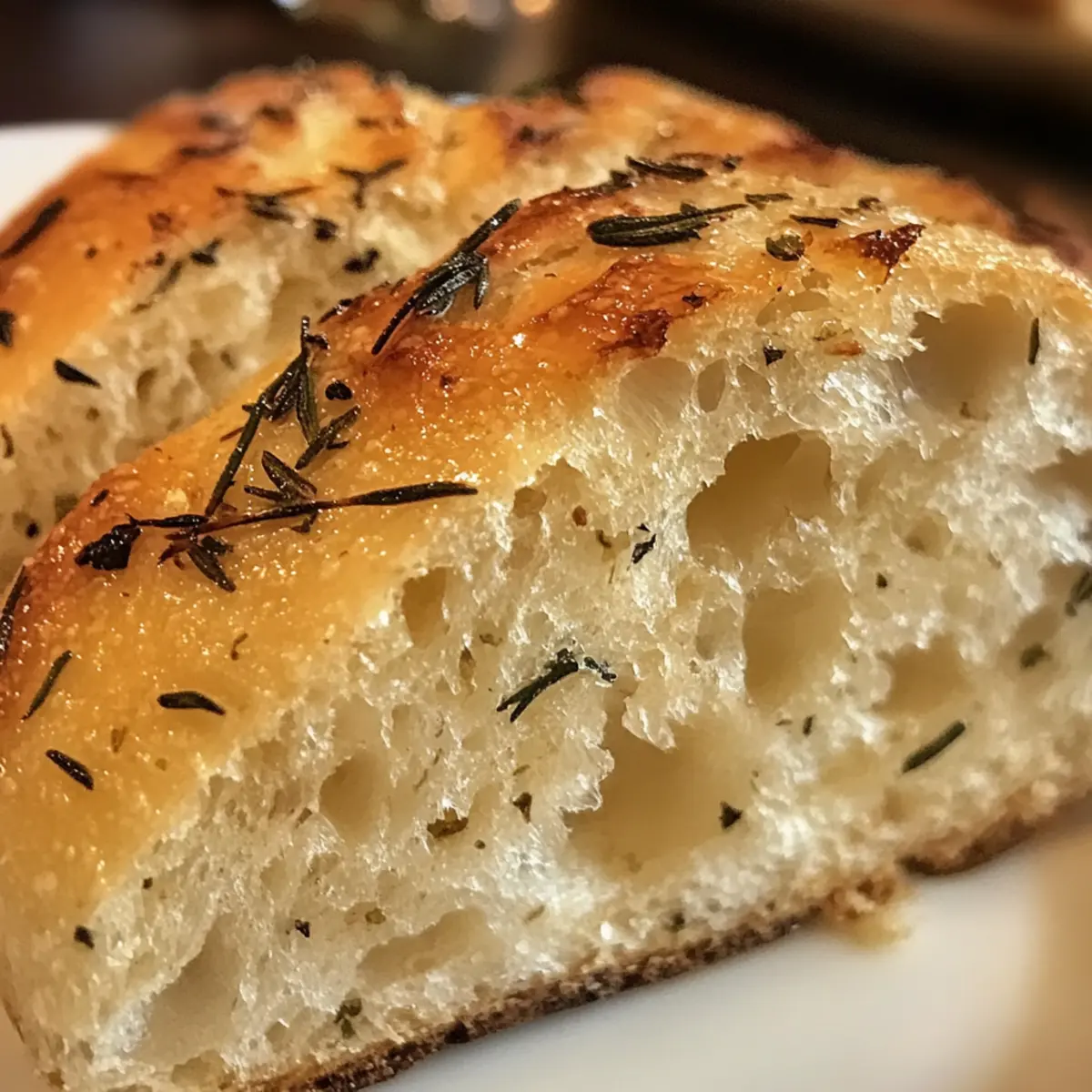
Irresistible Rosemary Sourdough Bread: A Savory Delight
Ingredients
Equipment
Method
- In a large mixing bowl, combine 500g of strong bread flour with 350g of lukewarm water and 150g of your bubbly active sourdough starter. Mix until a shaggy dough forms, ensuring no dry flour remains.
- After the resting period, fold in 100g of roasted garlic and 2 tablespoons of chopped fresh rosemary into your dough. Sprinkle 10g of salt evenly over the surface.
- Cover the dough and let it rise at room temperature for approximately 4 hours, performing stretching and folding every 30 minutes.
- Once your dough has doubled in size, gently turn it out onto a well-floured surface and shape into a round loaf. Allow it to rest for 30 minutes.
- After resting, place your shaped loaf into a flour-dusted proofing basket seam side up and let it proof for about 1-2 hours.
- While your dough is proofing, preheat the oven to 450°F (232°C) with a Dutch oven inside for at least 30 minutes.
- Carefully remove the hot Dutch oven and transfer your dough into it. Cover the pot and bake for 30 minutes.
- After 30 minutes, remove the lid and bake for an additional 15-20 minutes until golden brown.
- Transfer your Rosemary Sourdough Bread onto a wire rack to cool for at least 30 minutes before slicing.
Leave a Reply