
The aroma of sautéed garlic and green onions wafted through my kitchen, triggering a wave of nostalgia that transported me straight to the vibrant streets of Seoul. That’s where my love affair with Spicy Gochujang Eggs began—a simple yet extraordinary dish that melds perfectly soft-boiled eggs with a rich, medium-spicy sauce. This recipe is a true winner, both quick to whip up and entirely satisfying, making it a comforting meal that appeals to the whole family, including those selective eaters. In just 25 minutes, you can elevate your dinner routine and bring a taste of Korean delight to your table. Want to discover the secrets behind these Spicy Gochujang Eggs? Let’s dive in!
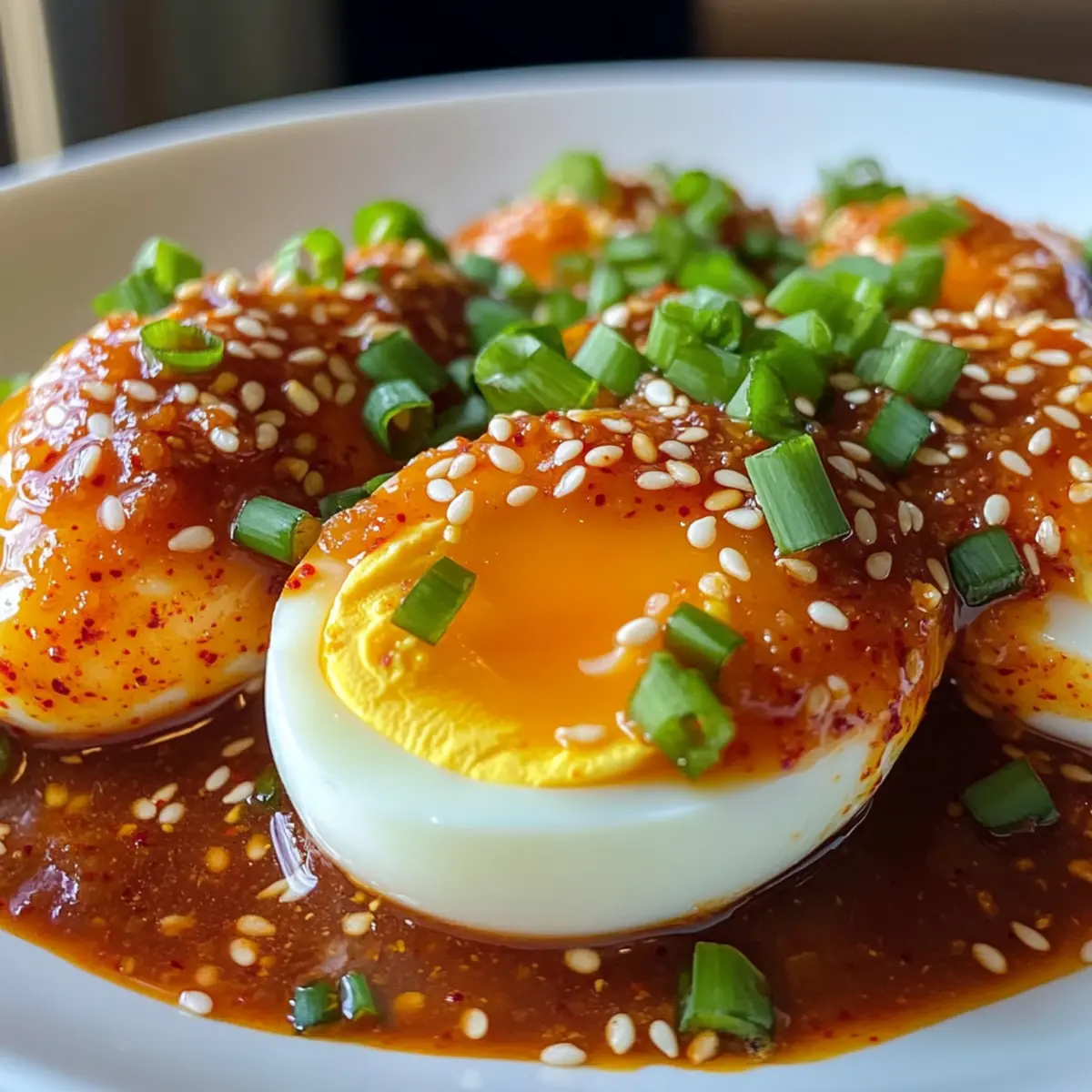
Why are Spicy Gochujang Eggs a must-try?
Irresistible Flavor: The fusion of spicy gochujang with sweet honey creates a mouthwatering dance of flavors that you can’t resist.
Quick to Prepare: Ready in just 25 minutes, making it the perfect solution for busy weeknights!
Unique Comfort Food: These eggs are not your typical breakfast; they transform a humble ingredient into something truly special.
Versatile Options: Whether you’re keto, vegetarian, or just craving comfort food, this recipe easily adapts to your needs—try it with Loaded Deviled Eggs for a similar twist!
Crowd-Pleaser: Even picky eaters will find it hard to say no to this delightful dish! Enjoy it over rice or noodles for a complete meal.
Spicy Gochujang Eggs Ingredients
For the Eggs
• Eggs – These are the creamy base; aim for soft-boiled to achieve that jammy yolk texture.
For the Beef Mixture
• Ground Beef – This hearty component adds a savory depth; swap it for firm tofu or mushrooms for a delicious vegetarian option.
• Gochujang – The star ingredient, bringing a spicy, umami punch; try mixing chili paste and honey if you need a substitute.
• Green Onions – Essential for adding freshness and crunch; use both the white and green parts for maximum flavor.
• Garlic – Enhances the dish with its aromatic qualities when sautéed; garlic powder works in a pinch if fresh isn’t available.
• Chili Peppers (optional) – Adjust according to your spice preference for that extra kick; a little goes a long way!
For the Sauce
• Honey – This balances the spicy and savory notes; maple syrup is a great alternative if you’re looking for a vegan option.
• Sesame Oil – Adds finishing flavor and aroma; can be replaced with olive oil if you prefer a more neutral option.
• Oyster Sauce – Offers depth to the sauce; soy sauce serves as a vegetarian or vegan alternative—just check for shellfish allergies.
• Sesame Seeds – Needed for garnish and that nutty flavor; no substitutions are necessary, but different seeds can alter the texture.
Step‑by‑Step Instructions for Spicy Gochujang Eggs
Step 1: Boil Eggs
Begin by bringing 8 cups of water to a rolling boil in a large pot. Once boiling, gently lower the eggs into the water using a spoon to avoid cracking them. Cook the eggs for 7 minutes for that perfect soft-boiled texture. After the timer goes off, immediately transfer the eggs to an ice bath to halt the cooking process and make peeling easier.
Step 2: Sauté Aromatics
In a medium skillet, heat a tablespoon of neutral oil over medium-high heat. Once the oil shimmers, add the white parts of the green onions and minced garlic to the skillet. Sauté for about 1-2 minutes until fragrant, making sure the garlic doesn’t brown. This step will infuse the oil with beautiful flavors, setting the stage for your Spicy Gochujang Eggs.
Step 3: Cook Beef
Next, add the ground beef to the skillet, breaking it up with a spatula as it cooks. Continue to sauté for 5-7 minutes, or until the meat is well browned and no longer pink. Ensure to stir occasionally for even cooking. The savory aroma from the beef mixing with the sautéed aromatics will fill your kitchen with a delightful scent.
Step 4: Make Sauce
While the beef cooks, whisk together gochujang, honey, soy sauce, and a splash of water in a bowl until smooth. Pour this sauce over the browned beef in the skillet. Stir well and let it simmer for 3-4 minutes, allowing the flavors to meld together and the sauce to thicken slightly. You’re creating a rich, spicy sauce that will coat the eggs beautifully.
Step 5: Combine Eggs & Sauce
Carefully peel the eggs and set them aside. Nestle the peeled eggs into the simmering sauce, spooning the sauce over the top gently. Let them heat through for about 2 minutes, ensuring the eggs absorb some of that wonderful spicy flavor. This step creates a deliciously velvety embrace for your Spicy Gochujang Eggs.
Step 6: Serve
Once the eggs are warmed and coated in sauce, remove the skillet from heat. Drizzle with sesame oil and sprinkle the green onion tops and sesame seeds over the dish for added flavor and a pop of color. Serve your Spicy Gochujang Eggs over steamed rice or noodles for a complete and satisfying meal.
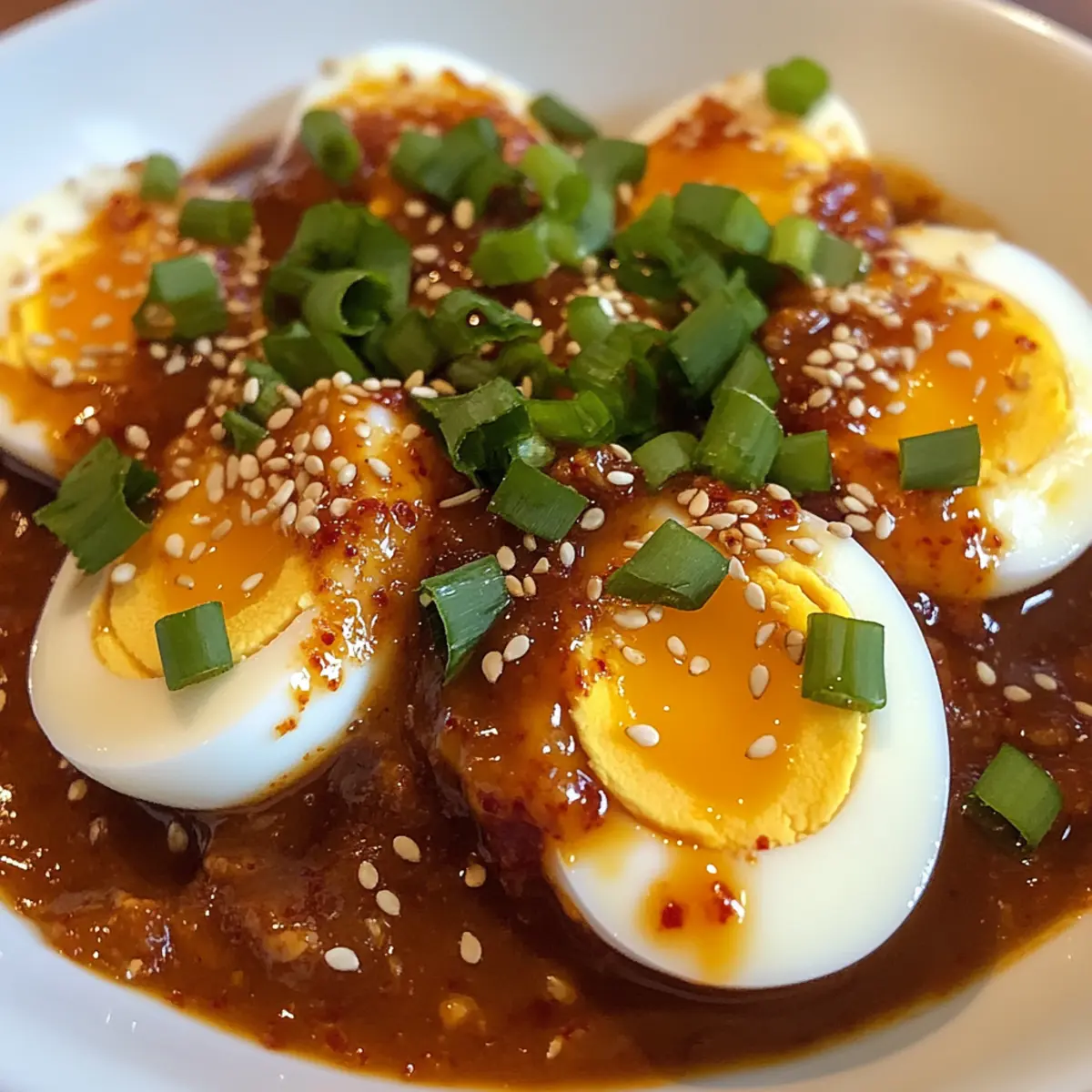
Spicy Gochujang Eggs Variations & Substitutions
Feel free to get creative with your Spicy Gochujang Eggs—you might just discover a new family favorite!
- Vegetarian: Replace ground beef with crumbled firm tofu or sautéed mushrooms for a hearty, meatless version. The tofu soaks up the sauce beautifully, creating a satisfying bite.
- Keto-Friendly: Omit rice entirely and bump up the egg count to keep it low-carb and filling. You can even double up on the sauce for extra flavor!
- Extra Veggies: Toss in sliced bell peppers or zucchini while cooking the meat for added color and nutrition. This will create a delightful crunch and freshness in every bite.
- Heat Level: Want more spice? Add extra chili peppers or use a hotter variety of gochujang to amp up the heat. Just remember to adjust the honey to maintain balance.
- Sweetness Swap: If you’re looking for a vegan sweetener, substitute honey with maple syrup or agave syrup. This will still give you that necessary sweetness without animal products.
- Oyster Sauce Alternative: Swap oyster sauce for soy sauce if you’re going vegetarian or vegan. It’s an easy switch that maintains the umami flavor.
- Egg Variation: Try using soft-boiled quail eggs for a gourmet twist! They not only look fancy but add an exquisite flavor. A stunning way to impress guests!
- Serving Suggestions: Enjoy over steamed rice, crispy tortillas, or as a stunning topping for a vibrant Buddha bowl. It’s versatile enough to elevate any dish, even in combinations like these Loaded Deviled Eggs for a unique appetizer!
Expert Tips for Spicy Gochujang Eggs
- Perfect Soft-Boiled: Make sure to time the boiling precisely at 7 minutes and immediately place the eggs in an ice bath to achieve that jammy yolk consistency.
- Taste Your Sauce: Always taste your gochujang before using. Spiciness levels vary widely, so adjust honey accordingly for balance.
- Thicken Sauces Wisely: If your sauce ends up too thick, don’t hesitate to add water a tablespoon at a time until you reach your desired consistency.
- Storage Secrets: Store leftover sauce separately in the fridge for up to 3 days—it’s great as a drizzle over grilled veggies or proteins!
- Customize Ingredients: Don’t be afraid to swap out ingredients to suit your diet or preferences. This Spicy Gochujang Eggs recipe is adaptable for keto or vegetarian needs.
What to Serve with Spicy Gochujang Eggs
Elevate your meal experience by pairing delightful sides that complement the rich flavors of this Korean-inspired dish.
-
Steamed Jasmine Rice: Its fluffy texture soaks up the spicy sauce beautifully, creating harmony with every bite.
-
Stir-Fried Vegetables: A mix of bell peppers, broccoli, and snap peas brings a colorful crunch, balancing the creaminess of the eggs. The vibrant veggies add nutrition and a delightful twist to the meal.
-
Ramen Noodles: Cooked al dente, these noodles serve as a fantastic base, allowing you to savor the saucy goodness that envelops the eggs.
-
Pickled Radish: The tangy-sweet flavor cuts through the richness nicely, adding a refreshing contrast that enhances the overall experience.
-
Refreshing Cucumber Salad: Crisp cucumbers dressed in a light sesame vinaigrette provide a cool, crisp contrast, perfect for offsetting the heat of the gochujang.
-
Cold Beer or Soju: For a drink pairing, the light, refreshing qualities of beer or the smoothness of soju perfectly complement spicy dishes, making for an enchanting dining experience.
Make Ahead Options
These Spicy Gochujang Eggs are perfect for meal prep, allowing you to enjoy their comforting flavors without the last-minute rush! You can boil the eggs and make the sauce up to 24 hours in advance. Simply refrigerate the peeled eggs in a covered container, and store the sauce in an airtight jar. When you’re ready to serve, reheat the sauce in a skillet, add the eggs, and let them warm through for about 2 minutes. This method ensures the eggs remain just as delicious and jammy while saving you time on busy weeknights. Enjoy a hearty meal with minimal effort!
Storage Tips for Spicy Gochujang Eggs
Room Temperature: Consume Spicy Gochujang Eggs fresh for the best flavor and texture; do not leave at room temperature for over 2 hours.
Fridge: Store any leftover eggs in an airtight container; they will stay fresh for up to 3 days. It’s best to keep the sauce separate if possible to maintain the egg’s texture.
Freezer: You can freeze the sauce for up to 1 month in a freezer-safe container. However, it’s not recommended to freeze the eggs, as they may become rubbery upon thawing.
Reheating: Gently reheat the eggs and sauce together in a skillet over low heat, stirring occasionally, until heated through. Avoid high heat to prevent the eggs from overcooking.
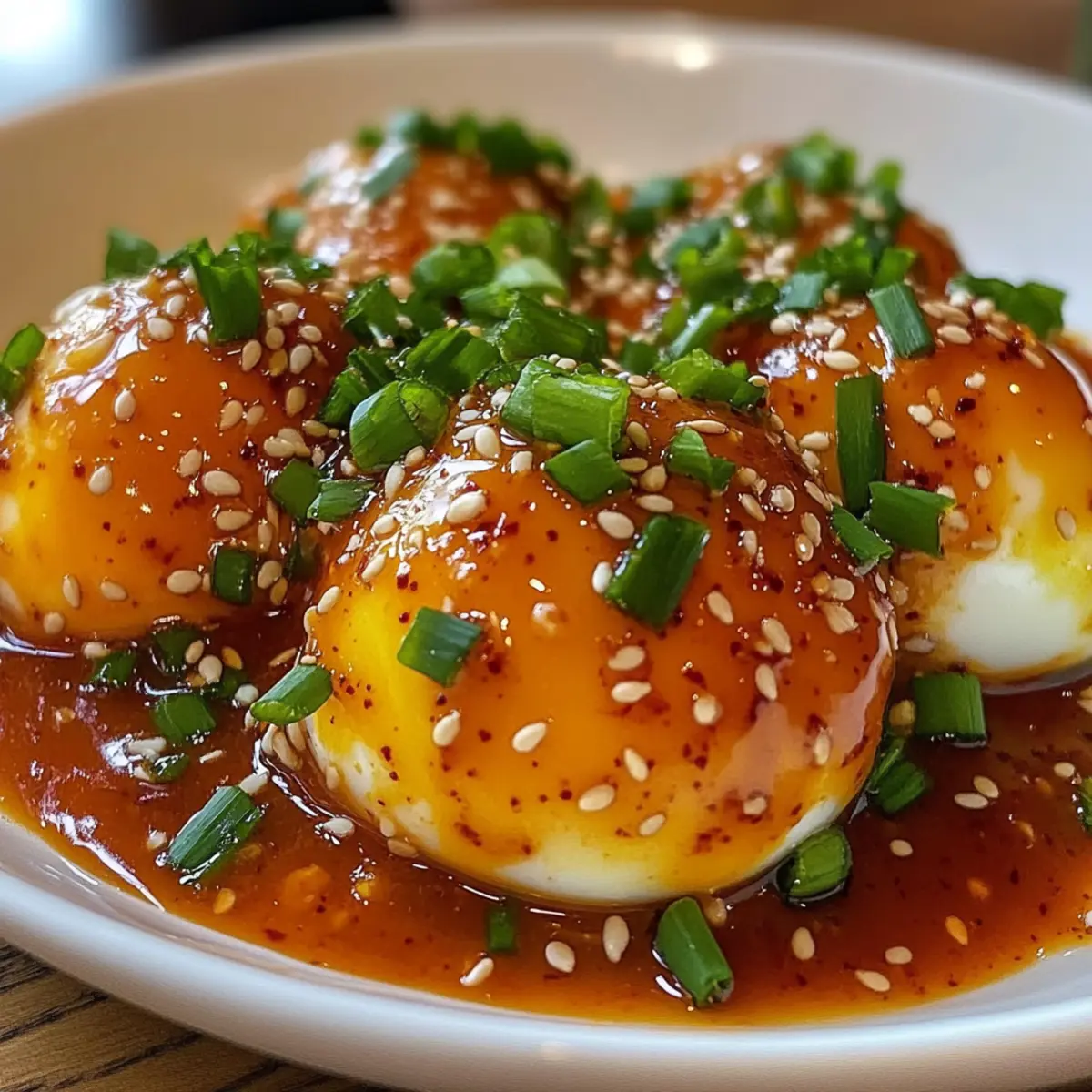
Spicy Gochujang Eggs Recipe FAQs
How do I choose ripe and fresh eggs for this recipe?
Absolutely! Look for eggs that are clean and free from cracks. A good test for freshness is to place them in a bowl of water—fresh eggs will sink, while older ones will stand upright or float.
What’s the best way to store leftovers from this Spicy Gochujang Eggs dish?
Store any leftover eggs in an airtight container in the refrigerator for up to 3 days. To preserve their texture, it’s best to keep the sauce separate. Just remember, the fresher, the better!
Can I freeze the sauce from the Spicy Gochujang Eggs?
Very! You can absolutely freeze the sauce. Pour it into a freezer-safe container and it will last up to 1 month. When you’re ready to use it, simply thaw it overnight in the fridge and reheat gently on the stove.
What should I do if my sauce turns out too thick?
If your sauce is too thick, don’t panic! Just add a tablespoon of water at a time while stirring until you reach your desired consistency. Simmer it uncovered for a couple of minutes to let any excess liquid cook off if needed.
Are there any dietary considerations I should be aware of with this recipe?
Definitely! While this dish is naturally gluten-free, check the labels of your gochujang and oyster sauce to ensure they’re gluten-free as well. If you’re serving it to someone with allergies, be mindful of the sesame seeds and oyster sauce—opt for vegan options if necessary.
Can I adjust the spiciness level in my Spicy Gochujang Eggs?
Absolutely! If you prefer less heat, start with a smaller amount of gochujang and taste as you go. You can also skip the optional chili peppers or use milder varieties to suit your family’s taste preferences.
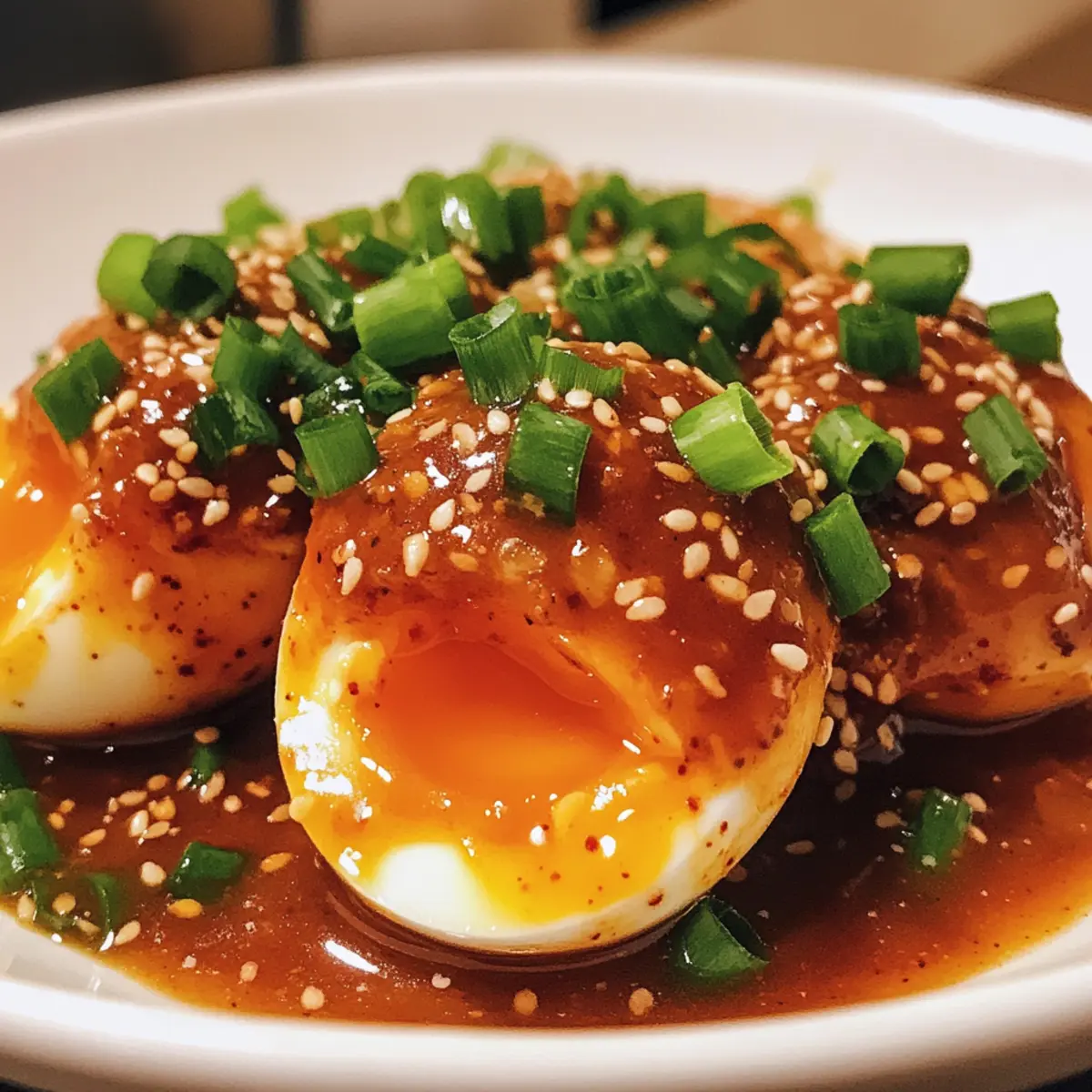
Spicy Gochujang Eggs for a Quick Korean Comfort Fix
Ingredients
Equipment
Method
- Boil 8 cups of water in a large pot. Gently lower the eggs into the boiling water and cook for 7 minutes. Transfer eggs to an ice bath.
- Heat a tablespoon of neutral oil in a medium skillet. Add white parts of green onions and minced garlic. Sauté for 1-2 minutes until fragrant.
- Add ground beef to the skillet, breaking it up as it cooks. Sauté for 5-7 minutes, until browned.
- Whisk together gochujang, honey, soy sauce, and a splash of water. Pour over browned beef and simmer for 3-4 minutes.
- Peel the eggs and nestle them into the sauce, spooning sauce over the top. Heat for 2 minutes.
- Remove skillet from heat. Drizzle with sesame oil and sprinkle with green onion tops and sesame seeds. Serve over rice or noodles.
Leave a Reply