
The aroma of freshly baked bibingka wafts through the air, instantly transporting me to vibrant markets in the Philippines, where this beloved coconut cake is a staple. This authentic Filipino Bibingka – Coconut Cake is not just a dessert; it’s a heartwarming tradition that brings families together. With its spongy texture and creamy coconut flavor, this cake is a delightful escape from the everyday hustle. In just an hour, you can create a delectable treat that appeals to both nostalgic palates and adventurous eaters, while also being a great addition to any gathering. Plus, it’s incredibly simple to make—perfect for those moments when you crave something special but don’t have all day to spend in the kitchen. Ready to dive into this tropical delight and learn how to make it for yourself? Let’s get started!
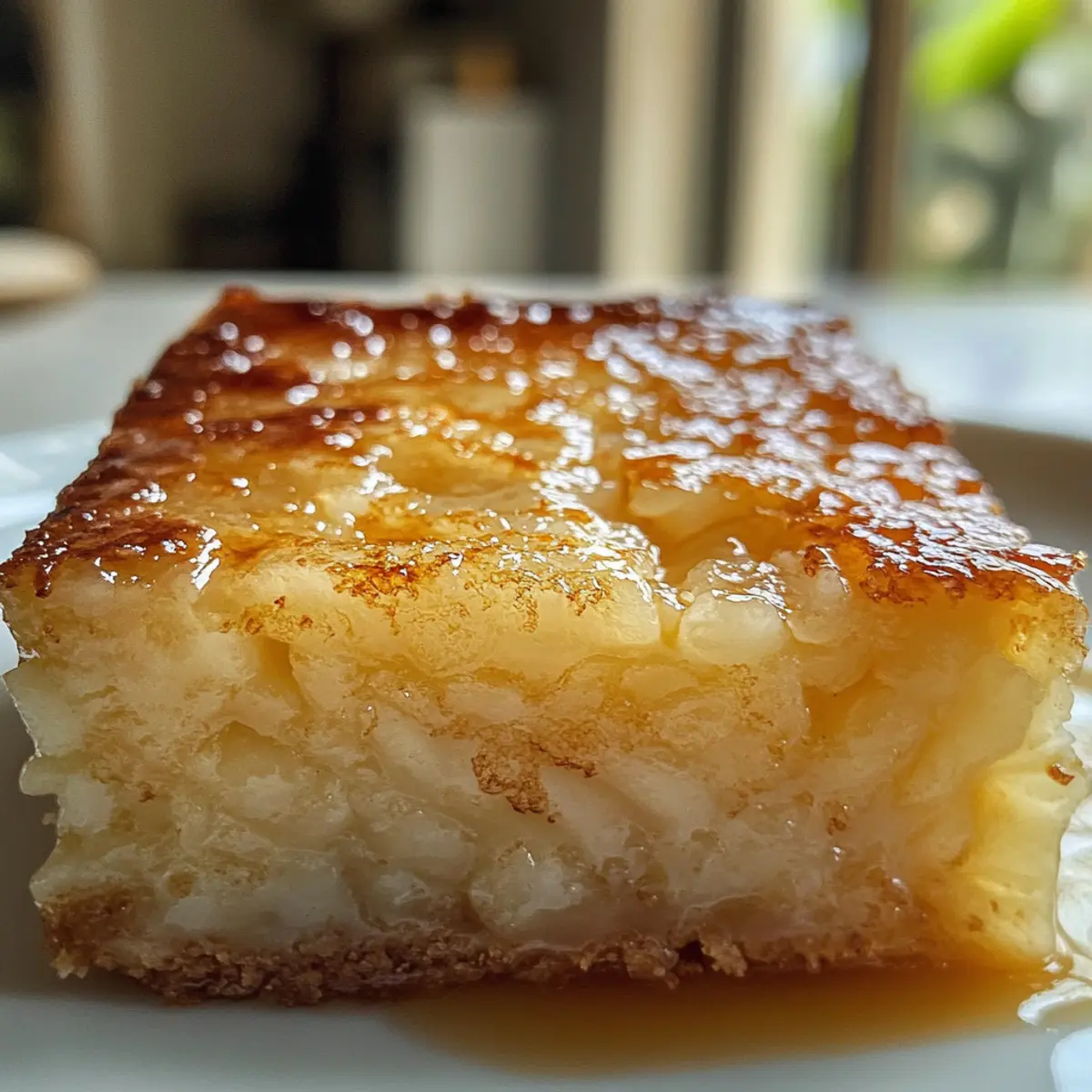
Why Is Bibingka a Must-Try Dessert?
Unique Tradition: This bibingka showcases a centuries-old Filipino tradition, connecting you to vibrant culinary roots with every bite.
Irresistible Flavor: The harmonious blend of creamy coconut and sweet rice flour creates a flavor profile unlike any other.
Quick Preparation: In less than an hour, you can whip up this delightful cake, perfect for busy schedules or spontaneous gatherings.
Crowd-Pleasing Appeal: Whether it’s holiday celebrations or casual get-togethers, bibingka is sure to impress family and friends, much like our Carrot Cake Cheesecake and Pumpkin Cheesecake Muffins.
Customizable Delights: Feel free to add shredded coconut or tropical fruits to tailor the dessert to your taste.
Simple Ingredients: With readily available ingredients, making your own bibingka is effortlessly accessible!
Bibingka – Filipino Coconut Cake Ingredients
For the Base
- Cream Cheese – Adds creaminess and a slight tang; substitute with mascarpone for a similar texture.
- Granulated Sugar – Provides sweetness; use cane sugar for a more rustic flavor.
- Eggs – Binds the ingredients and adds structure; no direct substitutes recommended.
- Sweet Rice Flour – A key ingredient that gives the cake its unique texture; do not substitute with regular flour.
- Baking Powder – Helps the cake rise; ensure it is fresh for optimal results.
- Butter – Adds richness; can be substituted with a non-dairy alternative for vegan options.
- Vanilla – Enhances flavor; use pure vanilla extract for the best taste.
- Cream of Coconut – Provides a rich coconut flavor and sweetness; don’t substitute with coconut milk as it lacks the same fat and sweetness.
- Milk – Adds moisture; substitute with coconut milk for extra flavor or a non-dairy milk for allergies.
- Crushed Pineapple – Adds tropical sweetness and moisture; use fresh or canned, undrained.
For the Topping
- Brown Sugar – Adds depth and caramel flavor to the topping.
- Granulated Sugar (for topping) – Provides a crunchy texture when caramelized.
Feel the excitement build as you gather these ingredients to create your very own Bibingka – Filipino Coconut Cake!
Step‑by‑Step Instructions for Bibingka – Filipino Coconut Cake
Step 1: Preheat the Oven
Begin by preheating your oven to 350°F (175°C). This ensures that your Bibingka bakes evenly and develops that lovely golden crust on top. While the oven is heating up, prepare your baking dish by greasing a 13×9 inch pan to prevent the cake from sticking.
Step 2: Cream the Base Ingredients
In a large mixing bowl, combine the cream cheese and granulated sugar. Using a hand or stand mixer, beat these together until the mixture is smooth and creamy, about 2-3 minutes. The goal is to eliminate any lumps, creating a delightful base for your Bibingka.
Step 3: Incorporate the Eggs
Next, add the eggs to the creamed mixture one at a time. Mix well after each addition, ensuring that each egg is fully incorporated before adding the next. This step is crucial for achieving a moist and fluffy texture in your Filipino Coconut Cake.
Step 4: Mix in Dry Ingredients
Gradually add in the sweet rice flour and baking powder, mixing on low speed just until combined. Be careful not to over-mix at this stage; a few lumps are okay. This will help maintain the unique texture that defines your Bibingka.
Step 5: Add Wet Ingredients
Now, pour in the cream of coconut and milk, followed by the vanilla extract. Mix on medium-low speed until everything is blended, and then fold in the crushed pineapple gently with a spatula. This will infuse your cake with tropical flavors that make it so special.
Step 6: Pour the Batter
Carefully pour the batter into your greased baking pan. Use a spatula to spread it evenly, ensuring the surface is smooth and level for uniform baking. You’re creating a lovely foundation for your Bibingka that will rise beautifully in the oven.
Step 7: Sprinkle the Toppings
Once the batter is evenly spread, generously sprinkle brown sugar and granulated sugar over the top. This will create that signature caramelized crust as it bakes, giving it both texture and a sweet finish that complements the creamy cake inside.
Step 8: Bake the Bibingka
Place the pan in the preheated oven and bake for about 1 hour. Keep an eye on it; you’re looking for a golden-brown top and a toothpick inserted in the center to come out clean. This is your cue that the Bibingka is ready to shine.
Step 9: Cool and Serve
After baking, carefully remove the cake from the oven and allow it to cool completely in the pan on a wire rack. Once cooled, cut into squares and serve at room temperature. This is when the flavors of your Bibingka truly come alive, ready to be enjoyed by family and friends.
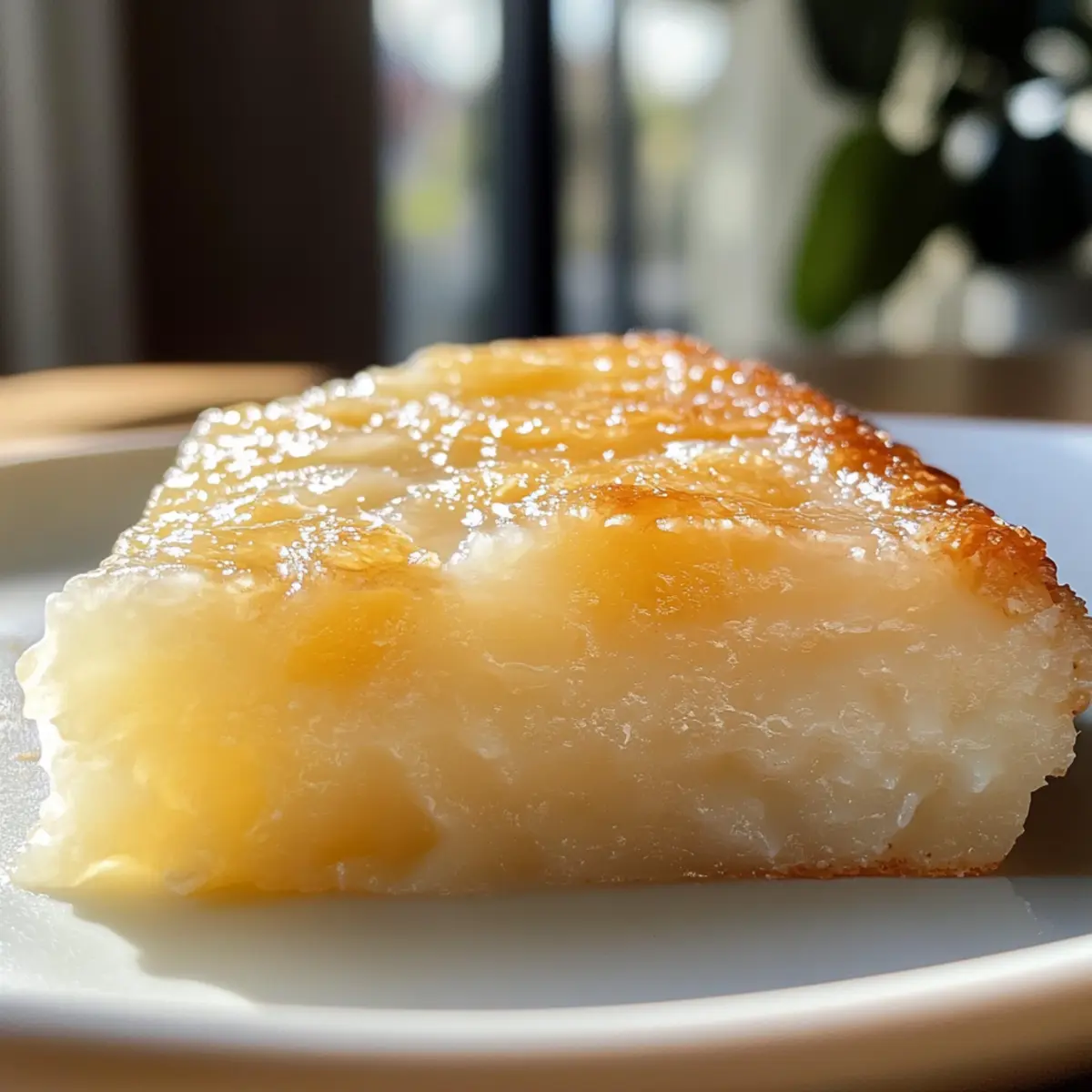
What to Serve with Bibingka – Filipino Coconut Cake
Imagine the joy of creating a full meal to complement the delightful flavors of this coconut cake, enhancing every bite.
- Fresh Mango Slices: Sweet, juicy mangoes add a refreshing burst of flavor, complementing the creamy notes of bibingka beautifully.
- Coconut Ice Cream: This rich, creamy dessert echoes the coconut flavors in the bibingka, providing a delightful cooling contrast that feels tropical.
- Pineapple Salsa: The zesty, tangy notes of pineapple salsa can cut through the sweetness of the cake, brightening the palate and offering a savory twist.
- Steamed Sticky Rice: Soft, slightly sweet sticky rice pairs wonderfully with bibingka’s texture, creating a traditional Filipino combination that’s satisfying and comforting.
- Pandan Tea: A fragrant cup of pandan tea serves as a perfect beverage pairing, its floral notes enhancing the cake’s flavors, ideal for a warm gathering.
- Tropical Fruit Salad: A vibrant mix of tropical fruits like papaya and guava adds freshness and visual appeal, balancing the rich, sweet profile of the bibingka.
- Crumble Topping: Serve with a light, crumbly topping of toasted coconut and crushed nuts for added texture and an extra layer of flavor that enhances the cake.
- Chilled Coconut Water: Keep it refreshing with chilled coconut water; its subtle sweetness complements the bibingka while keeping you hydrated.
Bibingka – Filipino Coconut Cake Variations
Feel free to let your creativity shine as you customize this delightful bibingka with these exciting variations!
- Extra Coconut: Add ½ cup shredded coconut to enhance the tropical flavor. The more coconut, the merrier!
- Tropical Fruits: Incorporate diced mango or banana slices for a fruity twist. It brings a burst of sweetness and vibrancy that complements the cake beautifully.
- Alternative Flours: Experiment with a gluten-free blend instead of sweet rice flour for dietary needs. Just ensure it’s designed for baking to maintain texture.
- Spiced Up: Stir in a teaspoon of cinnamon or nutmeg for a warm, spiced flavor. These aromatics elevate the bibingka, making it perfect for cozy gatherings.
- Nutty Crunch: Sprinkle chopped nuts such as almonds or cashews on top before baking. They add a delightful crunch contrast to the creamy cake.
- Flavorful Extracts: Swap vanilla for almond or coconut extract to change up the flavor profile. These little tweaks create whole new flavor experiences.
- Chili Kick: For those who love some heat, add a pinch of cayenne pepper to the batter. The subtle spice enhances the sweetness in the most intriguing way.
- Creamy Variants: Mix in a dollop of sour cream or Greek yogurt for an even creamier texture. This twist makes each bite decadently rich!
With these variations, you can create a unique bibingka that perfectly suits your taste while reminiscing about the classic flavors of the Philippines. For more exciting dessert ideas, don’t forget to check out our Pistachio Milk Cake and Strawberry Crunch Cheesecake. Enjoy!
Expert Tips for Bibingka
- Texture Matters: Ensure you’re using sweet rice flour for the right texture; regular flour won’t yield the same delightful results in your bibingka.
- Don’t Over-Mix: After adding the sweet rice flour, mix just until combined; over-mixing can lead to a tough cake.
- Use Fresh Baking Powder: A fresh batch ensures the best rise for your bibingka, preventing a dense cake from occurring.
- Monitor Baking Time: Ovens vary, so check your bibingka a few minutes early; it should be golden brown and a toothpick must come out clean.
- Cool Before Cutting: Let your bibingka cool completely before slicing; this helps maintain its moist, creamy texture and makes serving easier.
- Experiment with Toppings: Feel free to customize your bibingka with shredded coconut or fruits for added flavor and texture variations!
How to Store and Freeze Bibingka
Room Temperature: Store your bibingka in an airtight container at room temperature for up to 4 days. This helps maintain its delightful texture and flavor.
Fridge: If you wish to keep it longer, refrigerate the bibingka for up to 1 week. Be sure to let it come to room temperature before serving to enjoy the best creamy taste.
Freezer: For extended storage, freeze the bibingka for up to 2 months. Wrap it tightly in plastic wrap and place it in an airtight container to prevent freezer burn.
Reheating: To reheat, simply place individual pieces in the microwave for about 15-20 seconds or until warmed through. This preserves its moist, spongy texture, making your bibingka a warm delight again!
Make Ahead Options
These Bibingka – Filipino Coconut Cake are perfect for busy home cooks looking to save time during the week! You can prepare the batter up to 24 hours in advance by mixing all ingredients and storing it in an airtight container in the refrigerator. The flavors will meld beautifully while it sits, and you can avoid last-minute rushes. When you’re ready to bake, simply pour the batter into the greased pan, sprinkle with sugar, and bake as directed. For an even longer storage option, you can bake the bibingka, let it cool, and refrigerate it for up to 3 days. Just remember to bring it to room temperature before serving for the best texture!
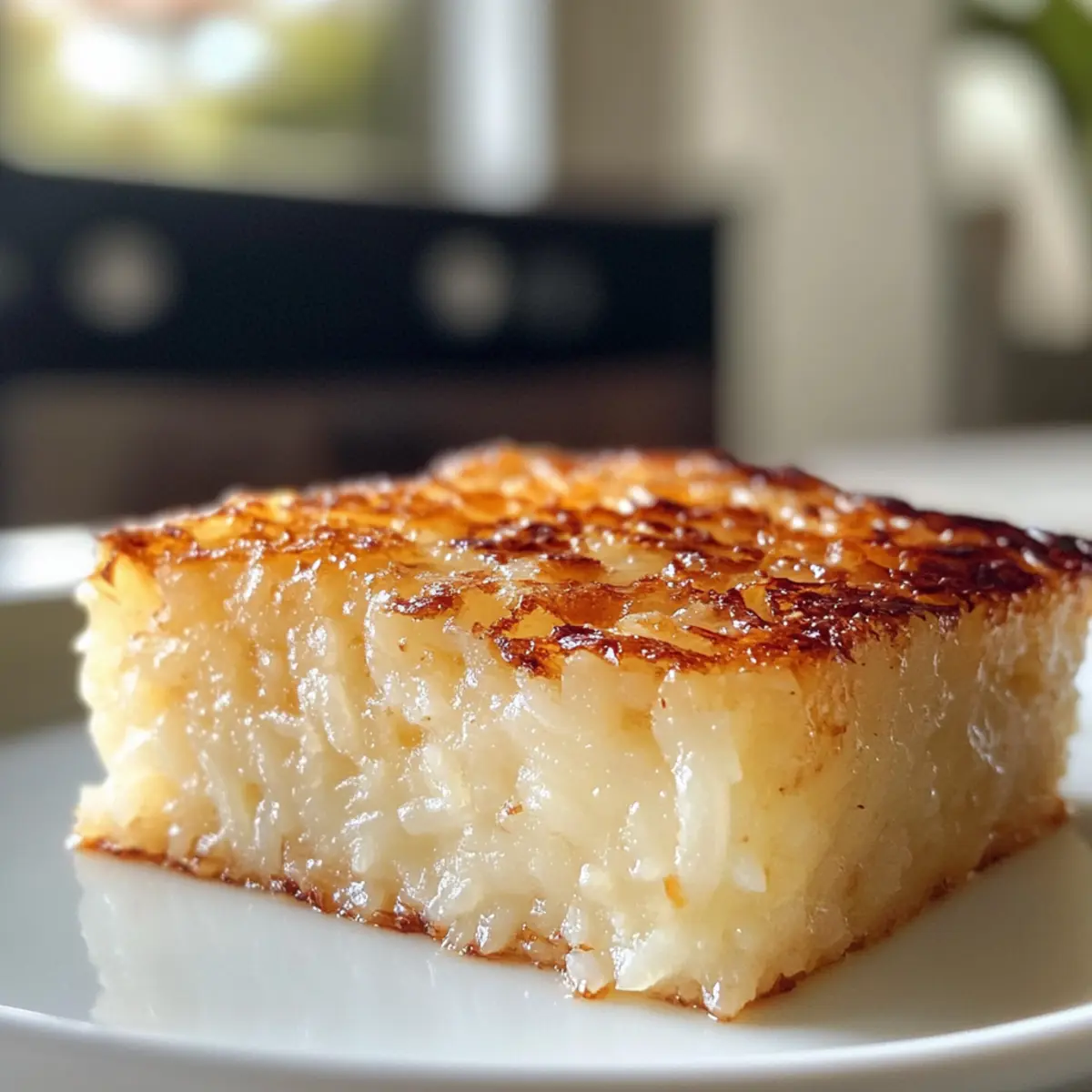
Bibingka – Filipino Coconut Cake Recipe FAQs
What kind of sweet rice flour should I use for bibingka?
Absolutely! Look for glutinous rice flour, which is typically found in the Asian aisle of your grocery store. This flour is essential to achieve the unique texture of bibingka. Avoid using regular all-purpose flour, as it won’t provide the same delightful spongy consistency that characterizes this delicious Filipino coconut cake.
How should I store leftover bibingka?
To keep your bibingka fresh, store it in an airtight container at room temperature for up to 4 days. If you live in a warmer climate or want to extend its shelf life, refrigeration for up to 1 week is also great. Just remember to allow it to come to room temperature before serving for the best texture and taste!
Can I freeze bibingka? What’s the best method?
Absolutely! You can freeze bibingka for up to 2 months. To do this, wait until it’s completely cooled, then wrap it tightly in plastic wrap. Place it in an airtight container to prevent freezer burn. When you’re ready to eat, just thaw it in the refrigerator overnight and reheat in the microwave for 15-20 seconds for a cozy treat!
Why is my bibingka dense or hard? What can I do?
Very good question! If your bibingka turns out dense or hard, this might be from over-mixing the batter after adding sweet rice flour. To achieve a light and moist texture, mix gently just until combined. Also, ensure your baking powder is fresh. If in doubt, a quick test is to drop a bit of baking powder in warm water—if it fizzes, it’s good to go!
Is bibingka a safe dessert for people with dietary restrictions?
Yes! Bibingka can be a versatile dessert. For those with dairy allergies, simply swap the cream cheese and milk with non-dairy alternatives. Make sure to choose a non-dairy milk that aligns with your dietary needs. If you’re concerned about gluten, stick to certified gluten-free sweet rice flour. As always, check the ingredient labels to ensure everything is safe for your specific requirements.
How can I enhance the flavor of my bibingka?
Great inquiry! You can enhance the flavor by adding ½ cup of shredded coconut for that extra coconutty delight or swapping in tropical fruits like mango or banana. For a more enticing aroma, consider using flavored extracts such as almond or coconut. Feel free to get creative and make this bibingka truly your own!
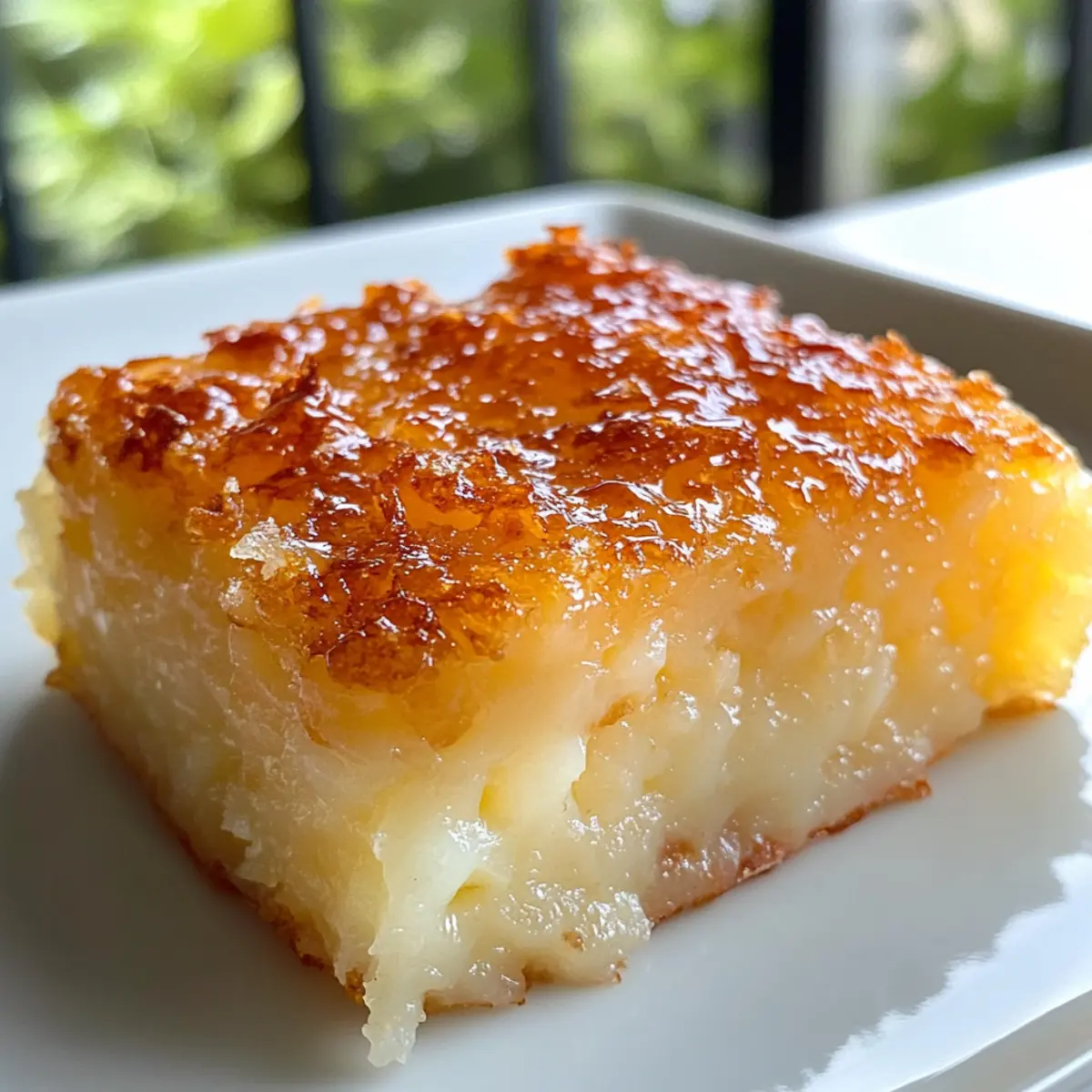
Bibingka – Filipino Coconut Cake That Will Make You Smile
Ingredients
Equipment
Method
- Preheat your oven to 350°F (175°C) and grease a 13x9 inch pan.
- In a mixing bowl, combine the cream cheese and granulated sugar, beating until smooth.
- Add the eggs one at a time, mixing well after each addition.
- Gradually mix in the sweet rice flour and baking powder until just combined.
- Pour in the cream of coconut and milk, followed by the vanilla, then mix until blended. Fold in the crushed pineapple.
- Pour the batter into the greased baking pan and spread it evenly.
- Sprinkle brown sugar and granulated sugar over the top.
- Bake for about 1 hour, until golden brown and a toothpick comes out clean.
- Allow the cake to cool completely before cutting and serving.
Leave a Reply